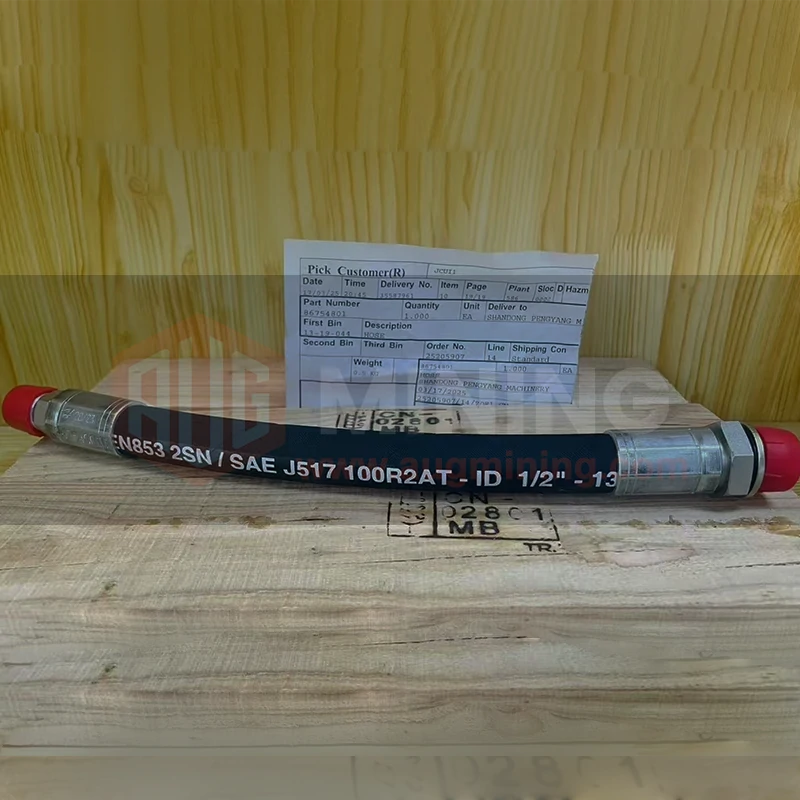
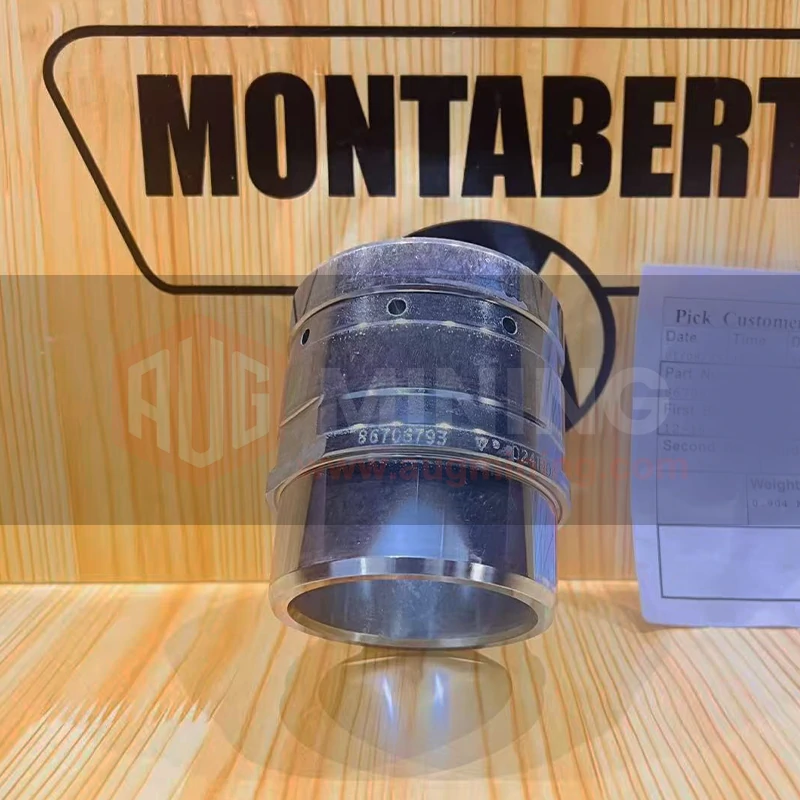
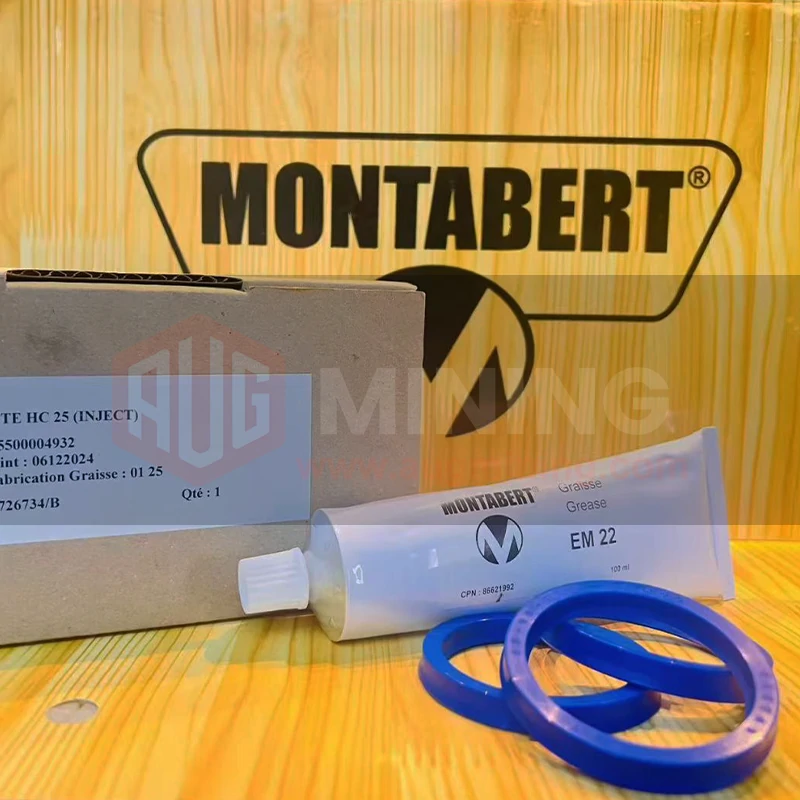
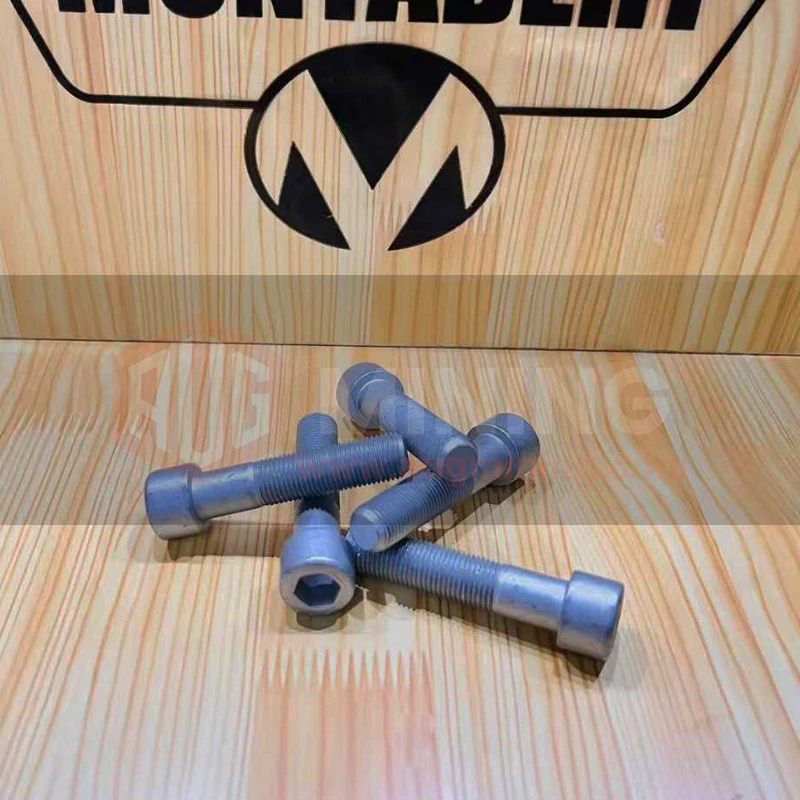
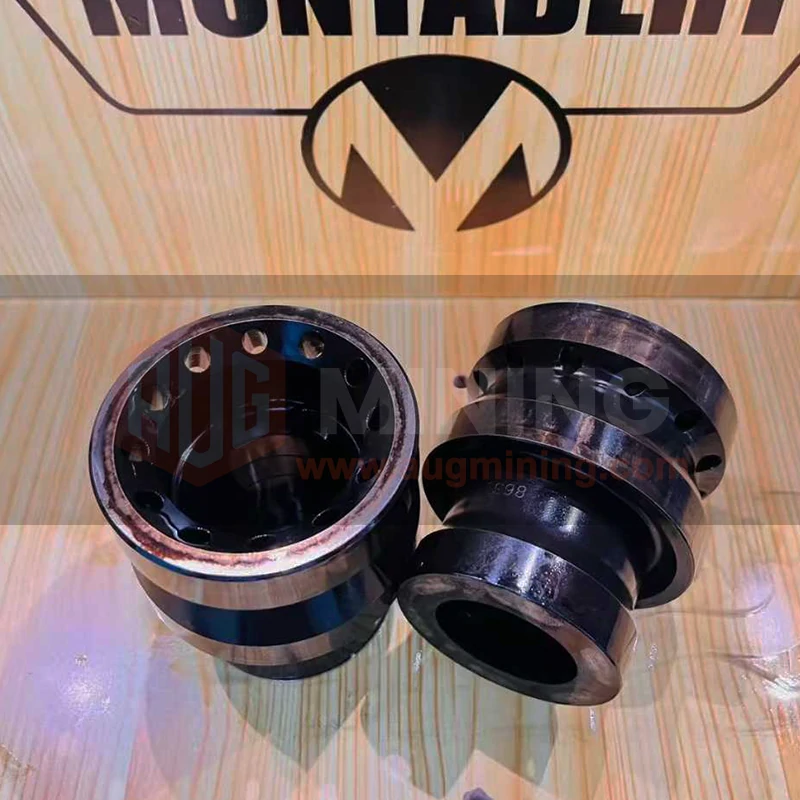
In HC95 Hydraulic Rock Drill (or Hydraulic Drifter) systems, the Hose 86754801 serves as a “critical fluid connection”—it links key components like the hydraulic pump, control valve, and cylinder, carrying high-pressure oil (up to 2000 psi) that directly powers the drill’s impact and rotation. A faulty hose can disrupt the entire hydraulic circuit: minor leaks waste costly hydraulic oil (up to 10 liters monthly), while severe damage (like burst hoses) can halt mining operations entirely. With over a decade in mining equipment maintenance, I’ve seen generic hoses fail to meet HC95’s demands: their low-quality rubber hardens in 500-700 hours under constant pressure, their connectors rust easily in underground dampness, and poor sealing leads to frequent leaks—costing mines $2,300+ in repairs and 1-2 days of unplanned downtime.
This Hose 86754801 avoids these risks as a genuine OEM part, engineered to Montabert’s strict standards for durability and performance. Unlike generic alternatives, its inner tube is made of premium oil-resistant nitrile rubber, reinforced with 3 layers of high-strength polyester fiber—this structure resists pressure bulging and oil erosion, ensuring long-term use. The connector is crafted from zinc-plated brass, which prevents corrosion in humid environments and features a precision-machined seal interface (maintaining leak-proof performance even after 12+ assembly-disassembly cycles). Additionally, the hose’s outer layer is made of wear-resistant rubber, protecting it from scratches by rock debris in surface quarries or friction with equipment in underground tunnels.
Since hose wear varies by working environment (e.g., underground mines cause faster aging than surface sites), the “replace based on actual usage” guideline lets you optimize maintenance—no unnecessary replacements, but timely changes when damage signs appear. And with short delivery times (no 2-3 week waits like generic hoses), you can restock fast to minimize downtime. Add in competitive pricing that beats many non-OEM options, and this Hose 86754801 becomes an essential choice for mines prioritizing reliability, safety, and cost-efficiency. Whether you’re drilling in underground hard-rock mines or surface limestone quarries, it ensures your HC95’s hydraulic system stays connected and efficient—keeping your operations running smoothly shift after shift.